
Tummy Tuck in Nashville, TN
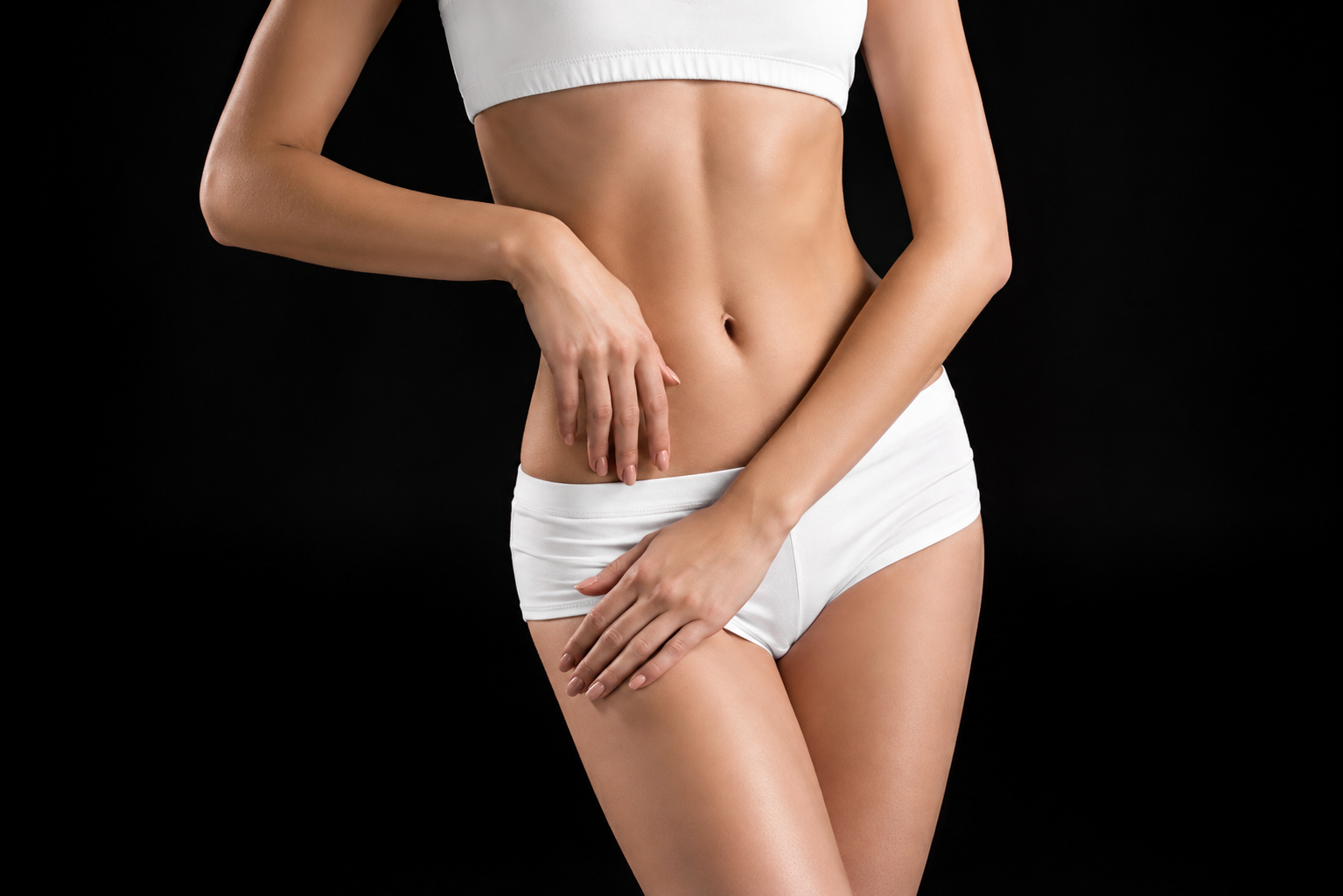
Abdominoplasty that removes excess skin, tightens stretched abdominal muscles, and creates a flatter, firmer midsection.

What is a tummy tuck?
A tummy tuck, or abdominoplasty, is a body contouring surgery that removes excess abdominal skin and fat, tightens separated or stretched abdominal muscles (diastasis recti), and flattens and firms the midsection for a smoother, more toned contour. It is often chosen after pregnancy or significant weight loss, when diet and exercise alone cannot fix loose skin or separated muscles.
At Nixon Plastic Surgery in Nashville, TN, Dr. Nixon performs tummy tuck surgery customized to your anatomy, combining muscle repair, skin removal, and often liposuction for a natural, athletic-looking result. Browse all body procedures to compare your options.
Nashville tummy tuck with an anatomy-first, natural approach.
A tummy tuck is one of the most transformative body procedures because it addresses problems that exercise simply cannot reach: loose, stretched skin and separated abdominal muscles. Dr. Nixon performs abdominoplasty in Nashville for patients who have done the work and still cannot achieve a flat, firm midsection.
At Nixon Plastic Surgery, every tummy tuck is planned around your anatomy first. The amount of excess skin, the degree of muscle separation, fat distribution, prior scars, and your aesthetic goals determine whether you need a full, mini, or extended tummy tuck and whether liposuction should be combined for the best contour.
If you are considering body contouring in Nashville, your consultation includes a physical evaluation, a discussion of your pregnancy or weight-loss history, and a clear explanation of the technique, scar placement, and recovery so you understand your result before deciding.

Why do patients choose a tummy tuck?
Patients choose a tummy tuck when loose skin and weakened abdominal muscles will not respond to diet and exercise. Pregnancy stretches both the skin and the muscle wall, and significant weight loss often leaves behind hanging skin that no amount of training can tighten. A tummy tuck corrects both at once.
At Nixon Plastic Surgery, the goal is a natural, proportionate midsection, not an over-tightened or unnatural look. Dr. Nixon’s approach is to repair the muscle, remove only the skin that needs to go, and refine the contour so the result looks athletic and balanced. For patients whose main concern is stubborn fat rather than loose skin, liposuction alone may be the better option.
Many patients combine a tummy tuck with other procedures as part of a mommy makeover. That balance between correction and natural proportion is central to Dr. Nixon’s tummy tuck results.
Common concerns a tummy tuck can address.
A tummy tuck in Nashville is commonly performed for patients who want to improve:
- –Loose, hanging abdominal skin. Remove excess skin left after pregnancy or major weight loss.
- –Separated abdominal muscles (diastasis recti). Repair and tighten the muscle wall that pregnancy often stretches and separates.
- –A protruding or pooch lower belly. Flatten a lower abdomen that stays rounded despite diet and exercise.
- –Stretch marks below the navel. Remove many lower-abdomen stretch marks along with the excess skin.
- –Stubborn abdominal fat. Refine the waistline with combined liposuction when appropriate.
- –Weakened core after childbirth. Restore core strength and a firmer midsection as part of a mommy makeover.
Benefits of a tummy tuck.
When planned correctly, a tummy tuck can restore a flatter, firmer midsection and renew core confidence.
What happens during a tummy tuck consultation?
Your tummy tuck consultation is designed to answer two questions: what is causing your concern, and which technique will give you a flat, firm, natural result? Dr. Nixon will examine your skin, muscle, and fat to build the right plan.
- –Goal review. Discuss your concerns, pregnancy or weight history, and the contour you want.
- –Anatomical evaluation. Assess skin laxity, muscle separation, fat distribution, and existing scars.
- –Technique selection. Determine whether a full, mini, or extended tummy tuck best fits your anatomy.
- –Combination planning. Decide whether to add liposuction or other procedures for the best result.
- –Transparent pricing. Receive a complete estimate covering the surgeon, facility, anesthesia, and follow-up.
What patients say.
“I can’t express enough how grateful I am to Dr. K and Dr. Nixon, and their amazing team for the incredible experience I had during my lipo procedure. The results have been life changing.”
“I cannot express enough gratitude for the incredible experience I had with Dr. Kaleshadi, Dr. Nixon, and the entire team. From my initial consultation to my final follow-up, they provided exceptional care…”
“I cannot express enough how phenomenal my experience was. I was so nervous about getting this surgery and the entire team made me feel so comfortable every step of the way…”
How is a tummy tuck performed?
A tummy tuck is performed under anesthesia in an accredited surgical setting. Dr. Nixon makes a low incision along the bikini line, repairs the separated abdominal muscles, removes excess skin and fat, repositions the navel, and closes with attention to a low, well-hidden scar.
Your surgical plan may include several technical decisions:
- –Full tummy tuck. Addresses skin and muscle above and below the navel, ideal after pregnancy or weight loss.
- –Mini tummy tuck. A smaller procedure for limited skin and muscle laxity below the navel only.
- –Extended tummy tuck. Extends to the flanks for significant skin removal after major weight loss.
- –Muscle repair (plication). Suturing the separated abdominal muscles back together to flatten and strengthen the core.
- –Combined liposuction. Liposuction of the waist and flanks may be added to sculpt the contour.

Plastic surgery training with reconstructive depth and cosmetic refinement.
Dr. Nixon’s plastic surgery background includes reconstructive training, where outcomes depend on precise tissue handling, blood supply preservation, and respect for anatomy. A tummy tuck relies on these skills, because skin, fat, and muscle must all be managed while protecting circulation and shaping a natural contour.
His Aesthetic Society endorsed aesthetic surgery fellowship in Newport Beach, California added cosmetic refinement to that reconstructive foundation. For Nashville tummy tuck patients, that means a procedure planned as both serious surgery and aesthetic design, with attention to a low, well-hidden scar and a balanced, athletic result.
Patients often choose Dr. Nixon because they want a surgeon who understands proportion, muscle repair, and safety. The aim is a flat, firm, natural-looking midsection. See recent tummy tuck results for examples.
Tummy tuck recovery timeline.
Recovery varies by patient, but most Nashville tummy tuck patients follow a general timeline like this:
Tummy tuck safety and surgical standards.
At Nixon Plastic Surgery, safety comes before speed or trend. A tummy tuck is real surgery, and the best outcomes come from careful planning, blood-clot prevention, clean technique, and structured follow-up.
- –Accredited surgical environment. Procedures are performed in a surgical setting designed for patient safety and proper monitoring.
- –Physician-led anesthesia care. Anesthesia planning and monitoring are treated as a core part of surgical safety.
- –Blood-clot prevention. Early movement and prevention protocols help reduce the risk of clots after body surgery.
- –Scar-focused planning. The incision is placed low along the bikini line to keep scarring hidden.
- –Structured follow-up. Post-op visits help monitor healing, scar quality, and long-term contour.
Tummy tuck FAQs.
How much does a tummy tuck cost in Nashville?
The cost of a tummy tuck in Nashville varies based on the technique, whether liposuction is added, anesthesia, and facility fees. After your consultation, Dr. Nixon will provide a complete estimate covering the surgeon, operating facility, anesthesia, and follow-up care.
What is the difference between a tummy tuck and liposuction?
A tummy tuck removes excess skin and repairs separated abdominal muscles, while liposuction only removes fat and does not tighten skin or muscle. Patients with loose skin or muscle separation need a tummy tuck; those with good skin tone and only stubborn fat may need liposuction alone. The two are often combined.
Should I wait until after I am done having children?
Future pregnancy can stretch the repaired muscles and skin again, so many surgeons recommend waiting until you are done having children for the longest-lasting result. That said, a tummy tuck is safe between pregnancies, and the right timing depends on your goals and plans.
Does a tummy tuck remove stretch marks?
A tummy tuck removes much of the skin below the navel, which often includes a significant number of lower-abdomen stretch marks. Stretch marks above the navel or outside the removed area will remain, though they may appear flatter as the skin is tightened.
Will a tummy tuck help with diastasis recti?
Yes. Repairing diastasis recti, the separation of the abdominal muscles, is a core part of a full tummy tuck. The muscles are sutured back together, which flattens the abdomen and can also improve core strength and posture.
Where is the tummy tuck scar?
The main scar runs low across the lower abdomen along the bikini line, so it can be hidden by underwear and swimwear. A full tummy tuck also includes a small scar around the navel. Dr. Nixon places incisions to keep scarring as discreet as possible.
How long is recovery after a tummy tuck?
Many patients return to desk work within two weeks, stand up straight within a couple of weeks, and resume full exercise around six to eight weeks. Swelling settles and the final contour continues to refine over several months.
Can a tummy tuck be combined with other procedures?
Yes. A tummy tuck is frequently combined with liposuction and breast procedures as part of a mommy makeover. Combining procedures means one recovery and is discussed during your consultation based on your goals and safety.
Is a tummy tuck painful?
Most patients describe early recovery as tightness and soreness, especially with muscle repair, rather than sharp pain. Discomfort is most noticeable in the first several days and improves steadily with prescribed medication, rest, and the support of a compression garment.
Let's connect.
Whether you are exploring a specific procedure or still figuring out what to ask, the fastest path to a real answer is a consultation with Dr. Nixon. Reach out and the office will be in touch within one business day.